


Native tumor biology
In vivo immunization using tumor cells and engineered approaches

TenSixty studies epitope-level differences that may not be resolved by protein-level measurements, creating a more precise foundation for oncology therapeutics.
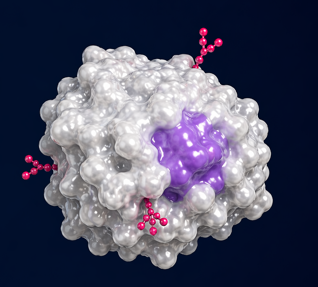
Tumor and healthy cells can display distinct proteoforms of the same protein. Those differences can change which epitopes are exposed and available for therapeutic binding.

GlycoLens and Atlas xTI inform a functional antibody discovery engine, while a unified data layer keeps epitopes, binders, antigens, and function connected.
In vivo immunization using tumor cells and engineered approaches
Proteoform-level epitope discovery
Therapeutic-index modeling in single-cell and tissue context
 Single-cell B cell capture
 Multiplexed tumor-vs-healthy screening
 Map antigen and epitope
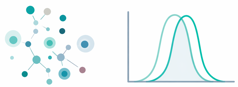 Validate and optimize therapeutic index
 Select epitope-defined leads
Direct measurement and predictive prioritization work together to move from native disease biology to actionable therapeutic hypotheses.
Resolves disease-state proteoforms and the epitopes they present, revealing tumor-associated biology that conventional antigen views may not distinguish.
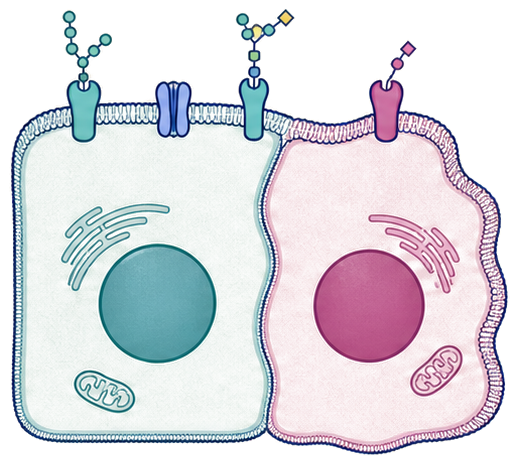


Places each opportunity in tumor, healthy-tissue, and therapeutic context to help prioritize targets, indications, combinations, and modality fit.
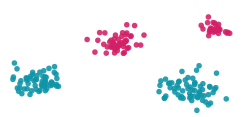
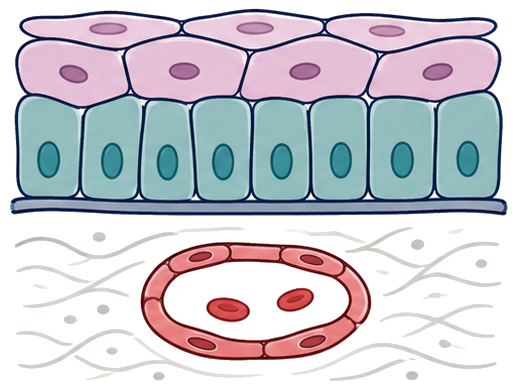
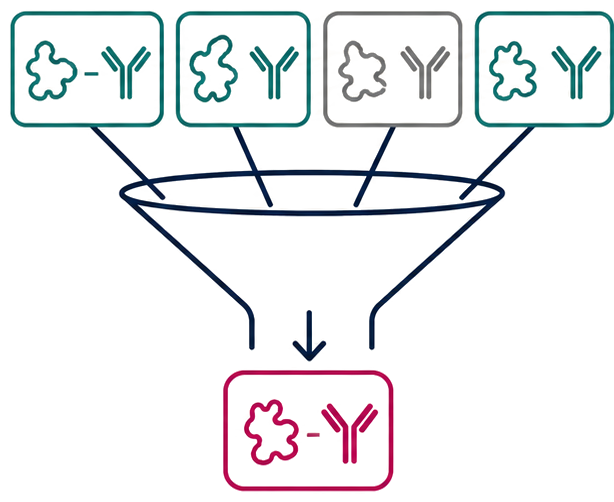
The workflow preserves native tumor context while linking every binder to its antigen, epitope, and functional profile.
Profile tumor-associated proteoforms and place them in healthy-tissue and single-cell context.
Generate and screen antibodies against native tumor biology to enrich for tumor-selective binding.
Connect binder sequence and function to the precise molecular feature each antibody recognizes.
Integrate selectivity, internalization, and developability evidence to nominate epitope-defined therapeutic leads.
TenSixty connects native tumor biology, single-cell context, therapeutic epitopes, antibody identity, and functional performance in one evolving data foundation.
Ground truth from discovery and validation feeds back into subsequent campaigns, strengthening how new opportunities are ranked and pursued.
Epitope-defined binders can support multiple antibody-based modalities, allowing format selection to follow the target biology and clinical opportunity.
Pair tumor-selective binding with a payload strategy suited to the target and disease setting.
Use epitope-level specificity as the targeting foundation for redirected immune activity.
Combine complementary binding logic to address tumor context with greater design flexibility.
